Exploring the realm of Energy-Efficient Windows and Siding: Long-Term Savings vs. Upfront Costs, this introduction delves into a captivating narrative that engages readers right from the start.
Providing a detailed insight into the intricacies of the topic, this paragraph sets the stage for an informative discussion ahead.
Energy-Efficient Windows
Energy-efficient windows are designed to minimize heat transfer between the interior and exterior of a building, helping to maintain a consistent indoor temperature and reduce the need for heating or cooling. This results in lower energy consumption and reduced utility costs.Key Features of Energy-Efficient Windows
- Double or Triple Panes: Energy-efficient windows often have double or triple panes of glass with insulating gas in between, which helps to reduce heat transfer.
- Low-E Coatings: Low-emissivity coatings are applied to window glass to reflect infrared light, keeping heat inside during winter and outside during summer.
- Insulated Frames: Frames made of materials like vinyl, fiberglass, or wood composites provide better insulation and reduce energy loss.
- Airtight Seals: Energy-efficient windows are sealed tightly to prevent air leaks, reducing drafts and improving overall energy efficiency.
Benefits of Energy-Efficient Windows
- Cost Savings: By reducing heating and cooling costs, energy-efficient windows can lead to significant savings on utility bills over time.
- Environmental Impact: Lower energy consumption means reduced greenhouse gas emissions and a smaller carbon footprint, contributing to a more sustainable environment.
Comparison of Window Types
| Window Type | Energy Efficiency |
|---|---|
| Double-Pane | Provides good insulation but may not be as effective as triple-pane windows. |
| Triple-Pane | Offers the highest level of energy efficiency by providing an extra layer of insulation. |
| Low-E Coatings | Helps to reduce heat transfer and improve overall energy efficiency without the need for multiple panes. |
Siding Materials and Energy Efficiency
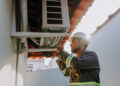
 When it comes to energy efficiency in homes, siding materials play a crucial role in contributing to overall insulation and reducing energy consumption. Choosing the right siding material can make a significant impact on the energy efficiency of a house, helping homeowners save on heating and cooling costs in the long run.
Types of Siding Materials and Their Impact
Different types of siding materials are available in the market, each with its own energy-saving potential. Here are some common siding materials and their impact on energy consumption:- Vinyl Siding: Vinyl siding is a popular choice due to its affordability and low maintenance. While it may not provide as much insulation as other materials, it can still contribute to energy efficiency when properly installed with insulation.
- Wood Siding: Wood siding is known for its natural beauty and insulation properties. It can help regulate indoor temperatures and reduce the need for excessive heating or cooling.
- Fiber Cement Siding: Fiber cement siding is durable and resistant to various weather conditions. It provides excellent insulation, helping to keep the interior of the house comfortable while reducing energy consumption.
Importance of Proper Insulation
Proper insulation is key when it comes to maximizing the energy-saving potential of siding materials. Without adequate insulation, even the most energy-efficient siding materials may not be able to perform optimally. Insulation helps seal air leaks, maintain consistent indoor temperatures, and reduce the workload on heating and cooling systems.Comparing Energy-Saving Potential
When comparing the energy-saving potential of various siding materials, it's essential to consider factors such as insulation, durability, and maintenance requirements. While each material has its advantages, fiber cement siding often stands out for its superior insulation properties and longevity, making it a top choice for energy-conscious homeowners.Long-Term Savings
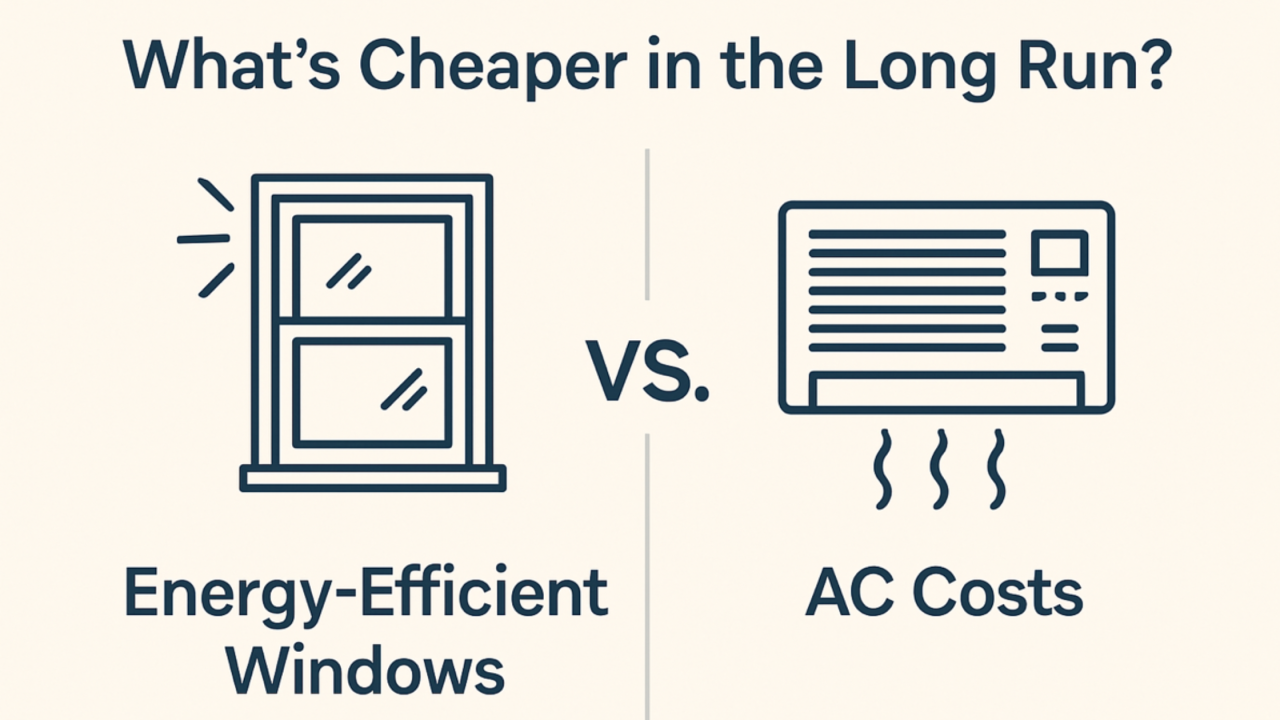
Investing in energy-efficient windows and siding not only benefits the environment but also your wallet in the long runFinancial Benefits
- Energy-efficient windows and siding can lower utility bills by improving insulation and reducing heat transfer, resulting in lower heating and cooling costs.
- According to the U.S. Department of Energy, homeowners can save up to 25% on heating and cooling costs by upgrading to energy-efficient windows.
Increased Property Value
- Energy-efficient upgrades are attractive to potential buyers and can increase the resale value of your home.
- A study by the National Association of Realtors found that energy-efficient features like windows and siding can increase a home's value by 3-5%.
Cost Savings Over Time
- While the initial upfront costs of energy-efficient windows and siding may be higher than traditional options, the long-term savings outweigh the initial investment.
- Over the lifespan of these upgrades, homeowners can recoup the initial costs through energy savings and increased property value.
Upfront Costs Considerations
When considering the installation of energy-efficient windows and siding, it is essential to understand the upfront costs involved. These costs can vary depending on several factors that influence the initial investment, such as the quality of materials used and the complexity of the installation process. Managing upfront costs effectively is crucial for homeowners looking to upgrade to energy-efficient options while staying within their budget. Let's delve into the details of upfront costs and how to navigate them efficiently.Factors Influencing Upfront Costs
- The quality of materials: Higher-quality energy-efficient windows and siding materials generally come with a higher price tag upfront. However, investing in superior materials can lead to long-term savings on energy bills and maintenance costs.
- Installation complexity: Factors like the size of the property, the condition of existing windows and siding, and any additional customization required can impact the upfront costs of installation. More complex installations may require skilled labor and specialized equipment, adding to the overall expenses.
Tips for Managing Upfront Costs
- Obtain multiple quotes: It's advisable to seek estimates from different contractors to compare prices and services offered. This can help you choose a cost-effective option without compromising on quality.
- Consider financing options: Some companies offer financing plans or incentives for energy-efficient upgrades. Exploring these options can make the upfront costs more manageable for homeowners.
Comparison with Traditional Options
- While the upfront costs of energy-efficient windows and siding may be higher than traditional options, it's important to consider the long-term savings they can provide. Energy-efficient materials can reduce heating and cooling costs over time, making them a cost-effective investment in the long run.
End of Discussion
Wrapping up our discussion on Energy-Efficient Windows and Siding: Long-Term Savings vs. Upfront Costs, this conclusion offers a compelling summary that encapsulates the essence of our exploration.
Question & Answer Hub
What are energy-efficient windows?
Energy-efficient windows are designed to minimize heat transfer, resulting in reduced energy consumption and lower utility bills.
How do energy-efficient upgrades increase property value?
By enhancing energy efficiency, these upgrades make homes more desirable to potential buyers, thereby increasing property value.
What types of siding materials are most energy-efficient?
Fiber cement and insulated vinyl siding are among the most energy-efficient options due to their insulation properties.