
Home Restoration After Storm Damage: A Guide to Navigating Insurance Claims sets the stage for this enthralling narrative, offering readers a glimpse into a story that is rich in detail with casual formal language style and brimming with originality from the outset.
The content of the second paragraph that provides descriptive and clear information about the topic
Home Inspection Process
After a storm hits, conducting a thorough inspection of your home is crucial to assess the extent of damage and begin the process of restoration. This inspection will not only help you identify areas that need immediate attention but also provide documentation for your insurance claim.Key Areas to Check for Potential Damage
- Roof: Inspect for missing or damaged shingles, leaks, or any signs of water damage.
- Windows and Doors: Check for cracks, broken glass, or any issues with seals.
- Foundation: Look for cracks, shifts, or any structural damage.
- Siding: Examine for dents, cracks, or loose panels.
- Gutters and Downspouts: Ensure they are clear of debris and properly attached to the home.
Documenting and Photographing Damage
When documenting damage for insurance purposes, it is important to be thorough and detailed. Take clear photographs of the affected areas from multiple angles, including close-up shots to show the extent of the damage.
Make a list of all damaged items and areas in your home, noting any pre-existing conditions that may have been worsened by the storm. Keep all receipts and invoices related to repairs and restoration work.
Navigating Insurance Claims
When it comes to filing an insurance claim for home restoration after storm damage, there are several important steps to follow to ensure a smooth process and maximize your coverage.Actual Cash Value vs. Replacement Cost Value
- Actual Cash Value: This is the value of your property or belongings at the time they were damaged, taking into account depreciation. It may not be enough to cover the full cost of replacement.
- Replacement Cost Value: This is the amount needed to replace or repair your damaged property without deducting for depreciation. It typically provides more comprehensive coverage.
Effective Communication with Insurance Adjusters
Effective communication with insurance adjusters is key to a successful claim process. Here are some tips to help you navigate this aspect:- Be prepared with documentation: Keep records of all communication, receipts, and evidence of damage to support your claim.
- Stay organized: Keep all relevant documents in one place and provide clear, detailed information when discussing your claim.
- Be honest and transparent: Provide accurate information and answer all questions truthfully to avoid any delays or complications.
- Ask questions: If you are unsure about any part of the claims process or the coverage offered, don't hesitate to ask for clarification.
- Stay calm and professional: Maintain a respectful and professional tone in all interactions with insurance adjusters to build a positive relationship.
Selecting Contractors and Restoration Services
When it comes to home restoration after storm damage, choosing the right contractors and restoration services is crucial to ensure a smooth and successful process. Here, we will discuss the factors to consider when selecting contractors, the benefits of hiring a general contractor versus individual specialists, and the importance of checking credentials, licenses, and insurance coverage before making a decision.Factors to Consider When Choosing Contractors
- Experience in handling storm damage restoration projects
- Reputation and reviews from previous clients
- Availability to start the restoration work promptly
- Quality of materials and equipment used for restoration
Benefits of Hiring a General Contractor vs. Individual Specialists
When deciding between hiring a general contractor or individual specialists for your home restoration, consider the following:
- A general contractor can oversee the entire restoration process, ensuring coordination among different specialists.
- Individual specialists may have specific expertise in certain areas, leading to higher quality work in their respective fields.
- General contractors may have established relationships with subcontractors, potentially saving time and cost in the restoration process.
Importance of Checking Credentials, Licenses, and Insurance Coverage
Before hiring any restoration services, it is essential to verify the following:
- Ensure the contractor is licensed and certified to perform restoration work in your area.
- Check for insurance coverage, including liability insurance and worker's compensation, to protect yourself from any potential liabilities during the restoration process.
- Verify the credentials and qualifications of the contractors and specialists involved in the restoration project to guarantee professional and reliable services.
Understanding Coverage and Policy Limits
When it comes to dealing with storm damage and insurance claims, understanding your coverage and policy limits is crucial. This knowledge can help you navigate the claims process more effectively and ensure you have the necessary protection in place.Common Coverage Limitations for Storm Damage
- One common limitation in homeowners' insurance policies is coverage for flood damage. Most standard policies do not cover flood damage, so homeowners may need to purchase separate flood insurance.
- Another limitation is coverage for mold remediation. Some policies may have restrictions on the amount they will pay for mold removal, so it's important to review your policy carefully.
Additional Coverage Options for Comprehensive Protection
- Consider adding an endorsement for sewer backup coverage to protect against damage from sewer backups during storms.
- Extended replacement cost coverage can provide additional funds to cover the full cost of rebuilding your home if the standard coverage limit is exceeded.
Tips for Reviewing Insurance Policies
- Read through your policy documents carefully to understand what is covered and what is excluded.
- Pay attention to any special limits or exclusions that may apply to certain types of storm damage.
- Consider consulting with your insurance agent or a professional to help you interpret the details of your policy.
Budgeting and Financial Planning
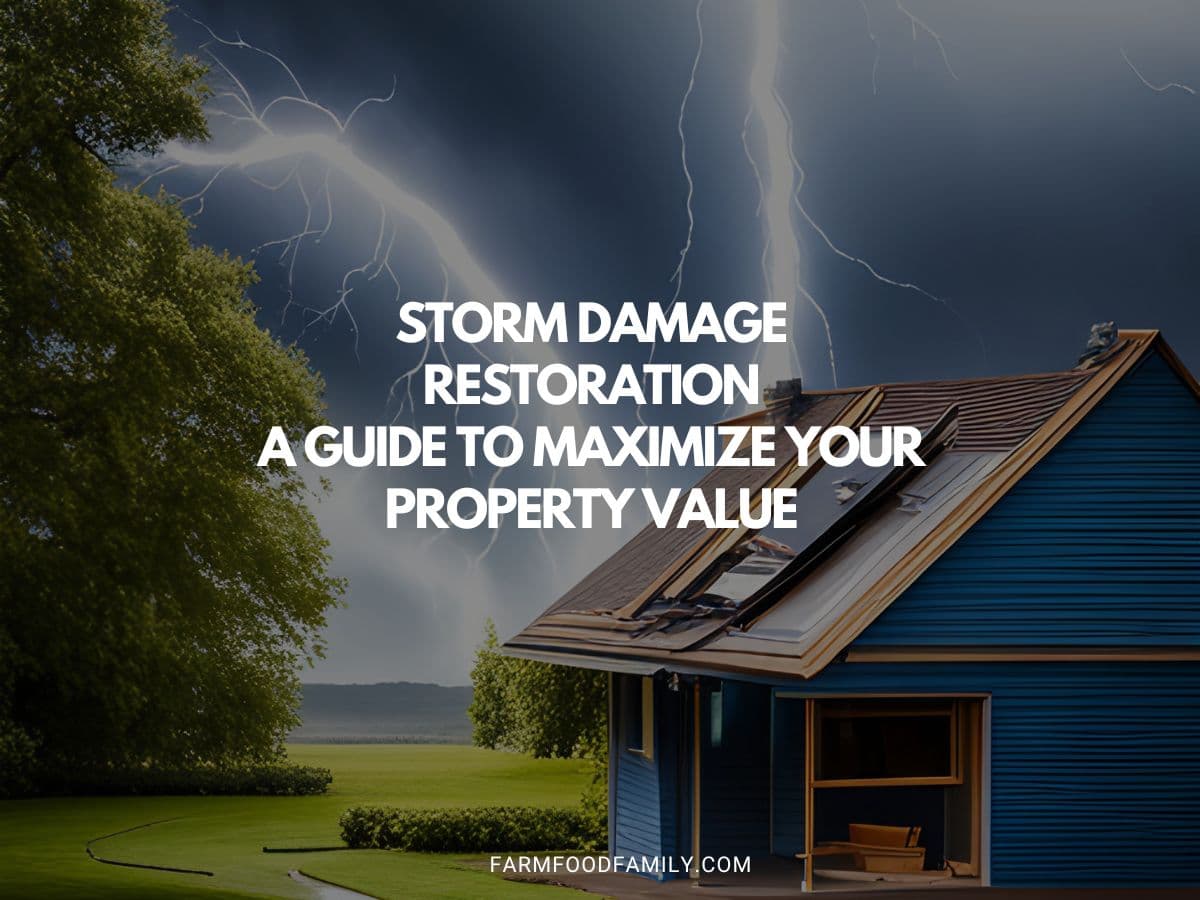 Setting a budget for home restoration after storm damage is crucial to ensure that the necessary repairs are completed within financial constraints. Without a clear budget in place, it can be easy to overspend and find yourself in a difficult financial situation.When prioritizing repairs based on budget constraints, it is important to focus on essential repairs that impact the safety and structural integrity of the home. This may include fixing roof damage, addressing water leaks, and repairing electrical issues. Non-essential repairs can be postponed until a later time when finances allow.
Strategies for Prioritizing Repairs
- Identify and address urgent repairs first, such as those that compromise the safety of the home.
- Obtain multiple quotes from contractors to compare costs and select the most cost-effective option.
- Consider temporary solutions for non-essential repairs to minimize immediate costs.
Options for Financing Home Restoration
- Utilize personal savings or emergency funds to cover expenses that exceed insurance coverage.
- Explore home equity loans or lines of credit to finance restoration efforts.
- Research government assistance programs or grants that may provide financial support for disaster recovery.
End of Discussion
The content of the concluding paragraph that provides a summary and last thoughts in an engaging manner
Top FAQs
What are some common areas to check for potential damage during a home inspection?
Common areas to check include the roof, windows, foundation, and electrical systems. It's essential to inspect these areas thoroughly after storm damage.
What is the difference between actual cash value and replacement cost value in insurance claims?
Actual cash value considers depreciation, while replacement cost value covers the cost of replacing the damaged items without factoring in depreciation.
Why is it important to check credentials, licenses, and insurance coverage before hiring restoration services?
Checking credentials ensures that the contractors are qualified for the job, licenses validate their legality, and insurance coverage protects both parties in case of accidents during work.