Property Management Automation: Tools for Landlords with Global Portfolio sets the stage for this enthralling narrative, offering readers a glimpse into a story that is rich in detail and brimming with originality from the outset.
The second paragraph provides descriptive and clear information about the topic.
Overview of Property Management Automation for Landlords with Global Portfolio
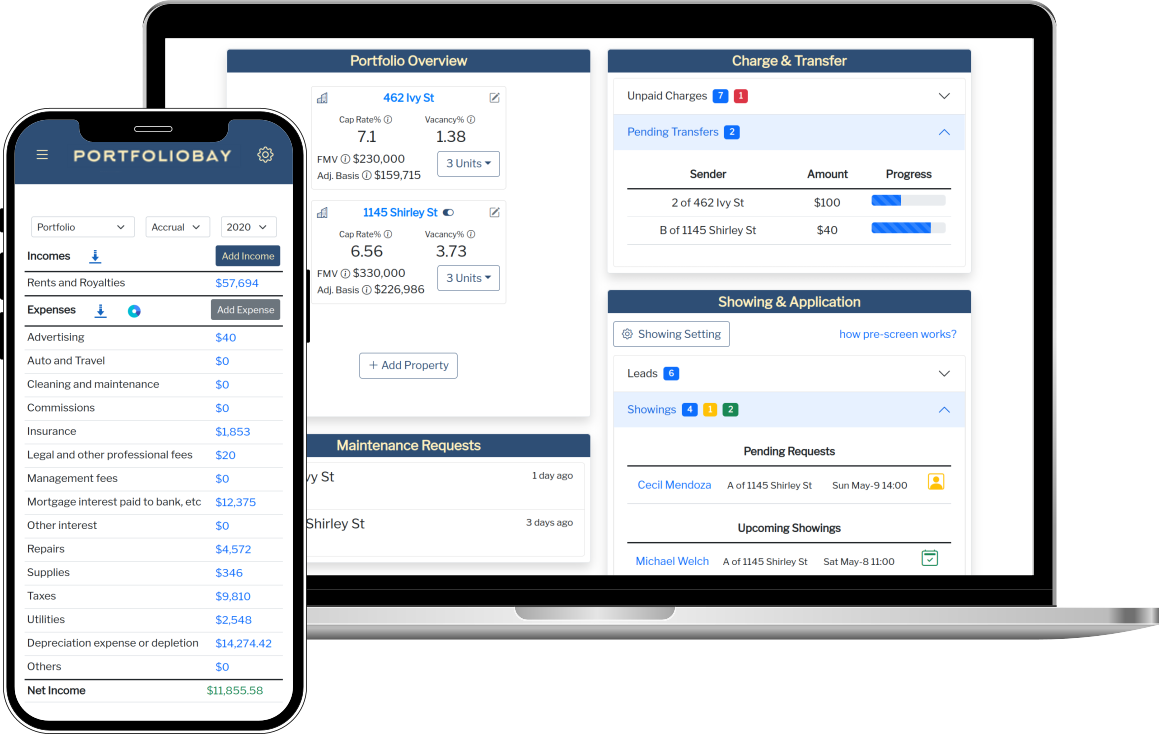
Property management automation is the use of technology tools and software to streamline and simplify the process of managing properties for landlords with a global portfolio. These automation tools play a crucial role in improving efficiency, reducing manual tasks, and ensuring better organization for landlords overseeing properties worldwide.Automation tools can help landlords with a global portfolio in various ways, such as automating rent collection, lease management, maintenance requests, and financial reporting. By utilizing these tools, landlords can save time, reduce errors, and enhance communication with tenants and property managers across different locations.Popular Automation Tools for Landlords with Large Global Portfolios
- Property Management Software: Platforms like Buildium, AppFolio, and Yardi are popular choices for landlords with large global portfolios. These software solutions offer features for lease management, accounting, maintenance tracking, and tenant communication.
- Smart Home Technology: Integrating smart devices like smart locks, thermostats, and security cameras can help landlords remotely monitor and control their properties from anywhere in the world. This technology enhances security and energy efficiency while providing convenience for both landlords and tenants.
- Virtual Tours and Online Listing Platforms: Utilizing virtual tours and online listing platforms like Zillow, Realtor.com, and Airbnb can help landlords attract tenants globally without the need for physical property visits. This approach saves time and allows landlords to reach a wider audience of potential renters.
Key Features of Property Management Automation Tools
Automation tools for property management offer a wide range of features designed to streamline processes and improve efficiency for landlords with global portfolios. These tools are essential for handling tasks such as tenant communication, rent collection, maintenance requests, and financial reporting.Essential Features for Landlords
- Automated Communication: Tools that allow for automated emails, notifications, and reminders to keep tenants informed and engaged.
- Online Rent Collection: Platforms that enable secure online rent payments, automatic reminders for late payments, and tracking of payment history.
- Maintenance Request Management: Systems that facilitate the submission, tracking, and resolution of maintenance requests from tenants.
- Financial Reporting: Software that provides detailed financial reports, income and expense tracking, and tax preparation assistance.
Comparison of Automation Tools
- Scalability: Look for tools that can grow with your portfolio, accommodating an increasing number of properties and tenants.
- Integration: Choose tools that integrate smoothly with your existing systems, such as accounting software or CRM platforms, to ensure seamless operation.
- User-Friendliness: Opt for user-friendly interfaces and intuitive design to simplify the learning curve for you and your team.
Integration of Automation Tools with Global Property Portfolio
Integrating automation tools with a global property portfolio involves adapting to different languages, currencies, and legal requirements across various regions. This process is crucial for landlords managing properties in multiple countries.
Adapting to Different Languages, Currencies, and Legal Requirements
When using automation tools for a global property portfolio, it is essential to ensure that the systems can accommodate the diverse linguistic, financial, and legal aspects of each region. Here are some key considerations:
- Language Adaptation: Automation tools should have multilingual capabilities to communicate effectively with tenants, contractors, and stakeholders in different countries. This ensures smooth communication and avoids misunderstandings.
- Currency Conversion: The automation tools should be able to convert financial transactions and reports into various currencies to streamline financial management across different regions. This feature simplifies budgeting and financial analysis for landlords with a global portfolio.
- Legal Compliance: Automation tools must comply with the legal requirements of each country where the properties are located. This includes adherence to local regulations, tax laws, rental agreements, and other legal obligations to avoid any compliance issues.
Data Security and Compliance in Property Management Automation
 In the digital age, data security and compliance are crucial aspects to consider when utilizing automation tools for property management on a global scale. Let's explore the importance of safeguarding sensitive information and ensuring compliance with data protection regulations across different countries.
Importance of Data Security in Property Management Automation
- Protecting sensitive tenant information, financial data, and property details from cyber threats and unauthorized access is essential to maintain trust and confidentiality.
- Ensuring data security helps prevent data breaches, identity theft, and financial fraud, which can have serious repercussions for both landlords and tenants.
- Compliance with data protection laws and regulations is necessary to avoid legal penalties, fines, and reputational damage due to non-compliance.
Ensuring Compliance with Data Protection Regulations
- Landlords with a global property portfolio must stay informed about data protection laws in each country where they operate to ensure compliance with regulations such as GDPR, CCPA, and others.
- Implementing data encryption, access controls, and regular security audits can help landlords meet the requirements of data protection regulations and maintain the integrity of their property management data.
- Collaborating with legal experts or data protection officers can provide valuable guidance on navigating complex regulatory frameworks and developing compliance strategies tailored to specific jurisdictions.
Best Practices for Safeguarding Sensitive Information
- Utilize secure cloud-based storage solutions with encryption protocols to store and transfer sensitive data securely.
- Implement multi-factor authentication for access to property management platforms to prevent unauthorized users from gaining entry.
- Regularly update software and systems to patch vulnerabilities and protect against evolving cyber threats that target property management data.
- Educate employees and stakeholders on data security best practices, including password hygiene, phishing awareness, and data handling protocols to mitigate risks effectively.
Outcome Summary
The concluding paragraph provides a summary and final thoughts in an engaging manner.
Questions and Answers
What are the essential features to look for in automation tools for managing global properties?
Landlords should look for features that assist with tenant communication, rent collection, maintenance requests, and financial reporting.
How can automated systems adapt to different languages, currencies, and legal requirements across multiple regions?
Automated systems can adapt by incorporating multilingual support, currency conversion capabilities, and compliance with diverse legal regulations.
What are some best practices for safeguarding sensitive information when using automation tools for property management?
Best practices include ensuring data security, compliance with data protection regulations, and maintaining privacy in all transactions.