
Exploring the realm of Sustainable Architecture: Designing Homes for an Extreme Climate Future offers a unique insight into the innovative approaches and solutions being developed to tackle the challenges posed by extreme climates. As we delve into this topic, we uncover the importance of forward-thinking design in creating sustainable living spaces amidst changing environmental conditions.
This discussion will shed light on the principles, strategies, materials, and technologies driving the evolution of sustainable architecture for extreme climates, providing a comprehensive understanding of how we can adapt and thrive in the face of climate uncertainty.
Importance of Sustainable Architecture in Extreme Climates
Sustainable architecture is a design approach that aims to minimize the negative environmental impact of buildings by efficiently using resources, reducing waste, and creating healthy and energy-efficient spaces. In extreme climates, where conditions like intense heat, cold, humidity, or aridity are prevalent, sustainable architecture becomes even more crucial.Examples of Extreme Climate Conditions
- In desert regions, extreme heat and aridity pose challenges for maintaining comfortable indoor temperatures without excessive energy consumption.
- In polar regions, extreme cold requires buildings to have excellent insulation and energy-efficient heating systems to stay warm.
- In coastal areas prone to hurricanes or typhoons, structures need to be resilient to strong winds and flooding.
Significance of Designing for Future Climate Challenges
Extreme climate events are becoming more frequent and severe due to climate change, making it essential to design buildings that can withstand these challenges while reducing their carbon footprint. By incorporating sustainable design principles such as passive solar heating, natural ventilation, green roofs, and efficient insulation, architects can create homes that are not only environmentally friendly but also resilient to the changing climate. This proactive approach to sustainable architecture helps mitigate the impact of climate change and ensures the long-term viability of our built environment.Principles of Sustainable Architecture for Extreme Climates
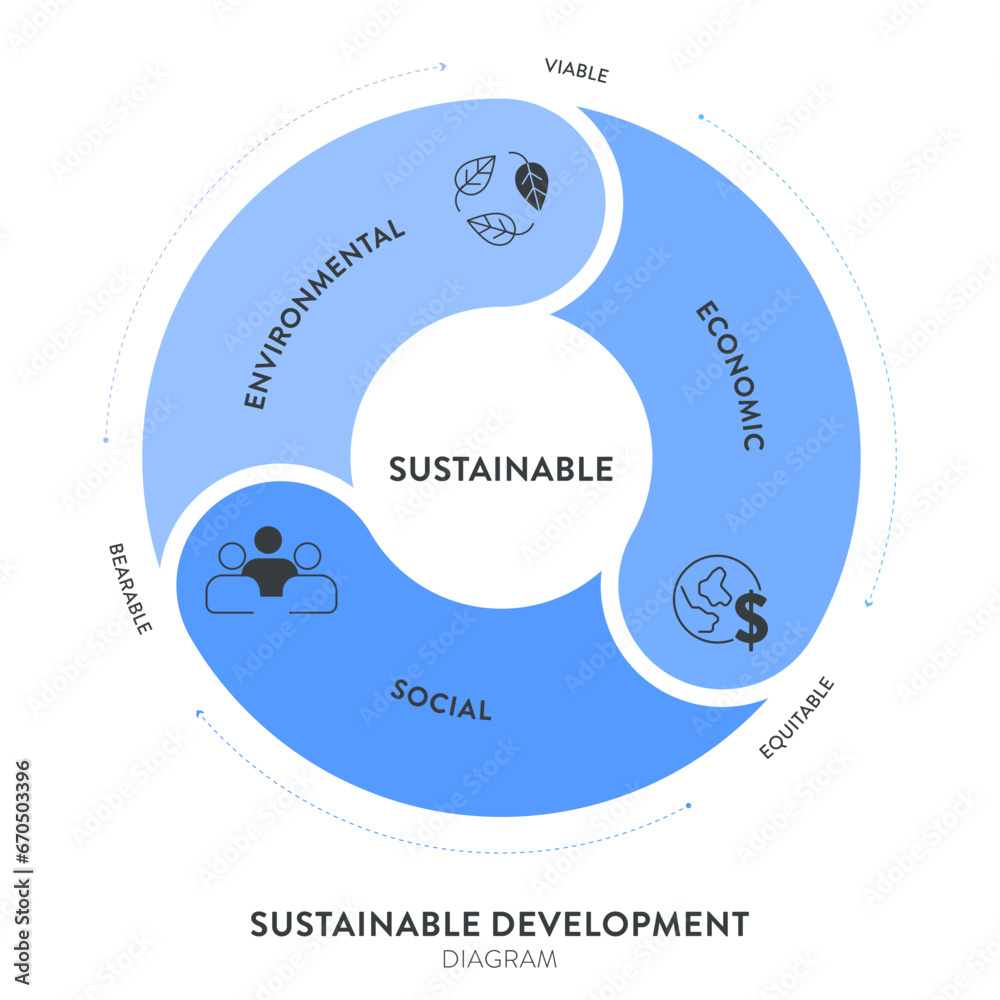 Passive Heating and Cooling:
Passive heating and cooling are key principles in sustainable architecture for extreme climates. By strategically designing homes to maximize or minimize the sun's heat depending on the season, architects can reduce the need for artificial heating and cooling systems, thus lowering energy consumption and costs.Use of Natural Materials and Energy-Efficient Design:
Another crucial principle is the use of natural materials and energy-efficient design techniques. Choosing materials that have high thermal mass, such as stone or adobe, can help regulate indoor temperatures naturally. Additionally, incorporating features like proper insulation, efficient windows, and ventilation systems can further enhance energy efficiency in extreme climates.Integration of Renewable Energy Sources:
To make sustainable architecture truly effective in extreme climates, the integration of renewable energy sources is essential. Solar panels, wind turbines, and geothermal systems can all contribute to powering homes with clean energy while reducing reliance on traditional fossil fuels. By harnessing renewable energy, architects can design homes that are not only environmentally friendly but also resilient in the face of climate challenges.
Passive Heating and Cooling:
Passive heating and cooling are key principles in sustainable architecture for extreme climates. By strategically designing homes to maximize or minimize the sun's heat depending on the season, architects can reduce the need for artificial heating and cooling systems, thus lowering energy consumption and costs.Use of Natural Materials and Energy-Efficient Design:
Another crucial principle is the use of natural materials and energy-efficient design techniques. Choosing materials that have high thermal mass, such as stone or adobe, can help regulate indoor temperatures naturally. Additionally, incorporating features like proper insulation, efficient windows, and ventilation systems can further enhance energy efficiency in extreme climates.Integration of Renewable Energy Sources:
To make sustainable architecture truly effective in extreme climates, the integration of renewable energy sources is essential. Solar panels, wind turbines, and geothermal systems can all contribute to powering homes with clean energy while reducing reliance on traditional fossil fuels. By harnessing renewable energy, architects can design homes that are not only environmentally friendly but also resilient in the face of climate challenges.Innovative Design Strategies for Extreme Climate Resilience
Innovative design strategies play a crucial role in creating sustainable architecture that can withstand extreme climates. By incorporating cutting-edge techniques and technologies, architects can ensure that buildings are resilient, energy-efficient, and comfortable in harsh environmental conditions.
Building Orientation for Sustainable Architecture
Building orientation is a key factor in sustainable architecture, especially in extreme climates. By strategically positioning a building in relation to the sun's path, prevailing winds, and natural topography, architects can maximize energy efficiency and thermal comfort.
- Example: Passive Solar Design - Buildings can be oriented to maximize solar heat gain in cold climates and minimize it in hot climates. This design approach uses the sun's energy for heating and lighting, reducing the need for mechanical heating and cooling.
- Role in Climate Resilience - Proper building orientation can help regulate indoor temperatures, reduce energy consumption, and create a more comfortable living environment for occupants.
Vegetation and Landscaping for Climate Control
Vegetation and landscaping are powerful tools in sustainable architecture for controlling the climate of a building and its surroundings. By incorporating greenery into the design, architects can enhance thermal comfort, reduce energy usage, and mitigate the urban heat island effect.
- Example: Green Roofs - Green roofs are covered with vegetation and provide insulation, absorb rainwater, and reduce heat transfer, making them an effective strategy for improving energy efficiency and reducing stormwater runoff.
- Benefits of Vegetation - Trees, plants, and green spaces can provide shade, reduce heat absorption, and improve air quality, creating a healthier and more sustainable built environment.
Materials and Technologies for Sustainable Architecture
In sustainable architecture, the choice of materials and technologies plays a crucial role in creating energy-efficient and environmentally friendly buildings. Eco-friendly materials and advanced technologies are essential for designing homes that can withstand extreme climates.Eco-Friendly Materials Suitable for Extreme Climates
Using eco-friendly materials is vital for sustainable architecture in extreme climates. Materials like reclaimed wood, bamboo, rammed earth, and recycled glass are not only sustainable but also offer excellent insulation properties. These materials help regulate indoor temperatures, reducing the need for excessive heating or cooling in extreme weather conditions.Importance of Insulation and Thermal Mass in Sustainable Design
Insulation and thermal mass are key components of sustainable architecture, especially in extreme climates. Proper insulation helps retain heat during cold winters and keeps the interior cool in scorching summers. Thermal mass materials like concrete or adobe absorb and store heat, stabilizing indoor temperatures and reducing energy consumption for heating and cooling.Advanced Technologies for Energy Efficiency
Innovative technologies like smart glass and solar panels are revolutionizing sustainable architecture for extreme climates. Smart glass windows can adjust transparency based on sunlight intensity, reducing solar heat gain in hot climates and maximizing natural light. Solar panels harness renewable energy from the sun, providing a clean and sustainable power source for heating, lighting, and other electrical needs in extreme climates.Case Studies of Sustainable Homes in Extreme Climates
Exploring successful sustainable architecture projects in extreme climates can provide valuable insights into energy efficiency and climate resilience.
Passive House in the Arctic Circle
This project in the Arctic Circle showcases a passive house design that maximizes insulation and minimizes heat loss. Key features include triple-pane windows, airtight construction, and heat recovery ventilation systems.
Earthship in the Desert
An Earthship in the desert demonstrates innovative use of recycled materials and passive solar design. The thermal mass of the earth walls helps regulate indoor temperatures, while rainwater harvesting systems provide self-sufficiency.
Zero Energy Home in a Tropical Climate
This zero energy home in a tropical climate utilizes solar panels, natural ventilation, and shading strategies to minimize energy consumption. The design incorporates high-performance glazing and reflective roof materials to reduce heat gain.
Final Conclusion
As we conclude our exploration of Sustainable Architecture: Designing Homes for an Extreme Climate Future, it becomes evident that the key to a resilient and sustainable future lies in our ability to harmonize architectural innovation with environmental consciousness. By embracing these concepts and practices, we pave the way for a greener, more sustainable tomorrow.
FAQ Summary
What are some examples of extreme climate conditions?
Extreme climate conditions can range from scorching desert heat to freezing polar temperatures, presenting unique challenges for sustainable architecture.
How does building orientation impact sustainable architecture?
Building orientation plays a crucial role in sustainable architecture by maximizing natural light exposure and minimizing heat gain or loss, enhancing energy efficiency.
What eco-friendly materials are suitable for extreme climates?
Eco-friendly materials like bamboo, rammed earth, and recycled steel are ideal choices for sustainable architecture in extreme climates due to their durability and thermal properties.