The Financial Benefits of Solar Energy Integration for Commercial Real Estate sets the stage for this enthralling narrative, offering readers a glimpse into a story that is rich in detail with casual formal language style and brimming with originality from the outset.
Exploring how solar energy integration can revolutionize the financial landscape of commercial real estate, this topic delves into the potential cost savings, increased property values, tax incentives, and energy independence that come with embracing solar power solutions.
Benefits of Solar Energy Integration
Solar energy integration offers numerous benefits for commercial real estate, including substantial cost savings and a positive impact on operational expenses. By harnessing the power of the sun, commercial properties can significantly reduce their reliance on traditional grid electricity, leading to lower utility bills and increased financial efficiency.Reduction in Electricity Costs
Integrating solar energy systems into commercial real estate allows for a significant reduction in electricity costs. By generating renewable energy from the sun, properties can offset a portion of their electricity consumption from the grid, leading to lower monthly bills. This reduction in energy costs can have a direct impact on the overall operational expenses of the property, resulting in increased profitability and financial stability.Potential Savings on Operational Expenses
The potential savings on operational expenses by integrating solar energy systems are substantial. In addition to reducing electricity costs, solar energy integration can also provide additional revenue streams through incentives such as net metering and solar renewable energy credits (SRECs). These financial incentives can further offset the initial investment in solar energy systems, leading to long-term savings and improved cash flow for commercial properties.Comparison of Return on Investment
When comparing the return on investment for commercial properties with and without solar energy integration, the benefits become clear. Properties that have integrated solar energy systems typically experience a faster payback period and higher ROI compared to those relying solely on grid electricity. The long-term financial benefits of solar energy integration, including reduced operating expenses and increased property value, make it a lucrative investment for commercial real estate owners.Increased Property Value
 When it comes to commercial real estate, integrating solar energy systems can have a significant impact on the overall value of the property. Not only does it offer financial benefits in terms of energy savings, but it also enhances the market value and attractiveness of the building to potential buyers or tenants.
Attracting Environmentally Conscious Tenants
In today's environmentally conscious society, businesses are increasingly prioritizing sustainability and green practices. By incorporating solar panels and other renewable energy solutions into commercial properties, real estate owners can appeal to tenants who value eco-friendly buildings. This can lead to higher demand for the space and potentially higher rental rates.Higher Rental Rates for Energy-Efficient Buildings
Buildings with solar energy integration are typically more energy-efficient, resulting in lower operational costs for tenants. This cost savings can translate into higher rental rates for the property owner, as tenants are willing to pay a premium for spaces that offer sustainable features and reduced utility expenses. Additionally, energy-efficient buildings are often more attractive to tenants looking to minimize their environmental footprint, further increasing the property's desirability and rental income potential.Tax Incentives and Rebates
When it comes to integrating solar energy systems into commercial properties, there are various tax incentives and rebates available that can significantly impact the financial benefits.
Tax Incentives for Commercial Properties
- Investment Tax Credit (ITC): The ITC allows commercial property owners to claim a credit worth 26% of the total cost of installing a solar energy system.
- Modified Accelerated Cost Recovery System (MACRS): MACRS allows for accelerated depreciation of the solar equipment, providing tax deductions over a shorter period.
- Property Tax Exemption: Some states offer property tax exemptions for solar installations, reducing the overall tax burden on the property.
Rebates for Solar Panel Installation
- Utility Rebates: Many utility companies offer rebates to commercial property owners who install solar panels, helping to offset the initial cost of the system.
- Solar Renewable Energy Credits (SRECs): Property owners can earn SRECs by generating solar power, which can be sold to utility companies for additional income.
Maximizing Financial Gains
Understanding the available tax incentives and rebates is crucial for maximizing the financial gains from integrating solar energy systems into commercial real estate. By taking advantage of these incentives, property owners can not only reduce their operating costs but also increase the overall property value in the long run.
Energy Independence and Stability
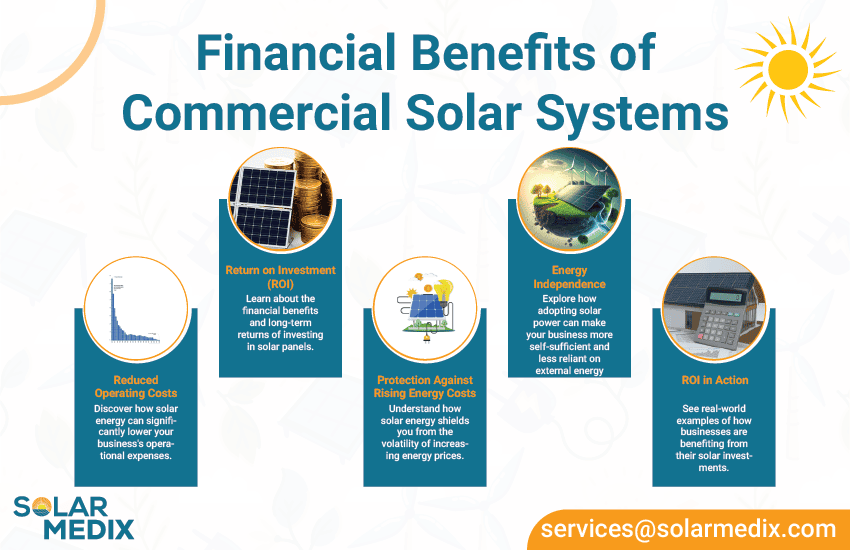
 Solar energy integration offers commercial properties the opportunity to achieve energy independence by reducing reliance on the traditional grid. This shift towards solar power generation not only promotes sustainability but also brings about significant financial advantages for commercial real estate owners.
Financial Benefits of Reduced Grid Reliance
- Decreased energy bills: By generating their own electricity through solar energy systems, commercial properties can significantly reduce their reliance on the grid, leading to lower energy costs.
- Increased savings: With reduced dependence on the grid, commercial real estate owners can save money in the long run by avoiding fluctuating energy prices and potential rate hikes.
- ROI on solar investment: Investing in solar energy systems allows commercial properties to generate their own power, providing a return on investment over time and potentially eliminating energy costs altogether.
Stability of Energy Costs
- Predictable energy expenses: Solar energy systems offer commercial real estate owners stable and predictable energy costs by generating electricity on-site, reducing the impact of external factors on energy prices.
- Protection against price volatility: By producing their own power, commercial properties can shield themselves from fluctuations in energy prices, ensuring a consistent financial outlook and budgeting stability.
- Long-term financial planning: Solar energy integration enables commercial properties to forecast energy expenses accurately over the long term, providing financial stability and reducing the risks associated with unpredictable energy costs.
Last Point
In conclusion, The Financial Benefits of Solar Energy Integration for Commercial Real Estate highlight the lucrative opportunities that arise from harnessing solar power in the realm of commercial properties. From reduced operational costs to enhanced property values, the future of commercial real estate shines brighter with solar energy integration.
Essential FAQs
What are some common tax incentives available for commercial properties integrating solar energy systems?
Common tax incentives include Investment Tax Credit (ITC), Modified Accelerated Cost Recovery System (MACRS), and Property Tax Exemptions for solar installations.
How do solar panels contribute to energy independence for commercial properties?
Solar panels reduce reliance on the grid by generating electricity on-site, providing commercial properties with a more stable and independent source of power.
Can solar energy integration lead to higher rental rates for commercial buildings?
Yes, energy-efficient buildings with solar integration are often perceived as premium properties and can command higher rental rates due to reduced operational costs and sustainability appeal.